
Overview

I am interested in how agricultural weeds colonize and adapt to their environments through plasticity and evolution. I combine field, greenhouse, and genomic approaches to investigate these mechanisms of adaptation. I aim to aid our basic understanding of how plants colonize novel environments, while contributing to our ability to sustainably manage these problematic species impeding global food production.
Research Areas

Evolution and plasticity of annual weeds in organic crop fields

Weedy plants invading crop fields face a range of novel selection pressures. While the evolution of herbicide resistance in problematic weeds has been well-studied, changes in other traits that may allow weeds to initially establish in agricultural environments are not well understood.

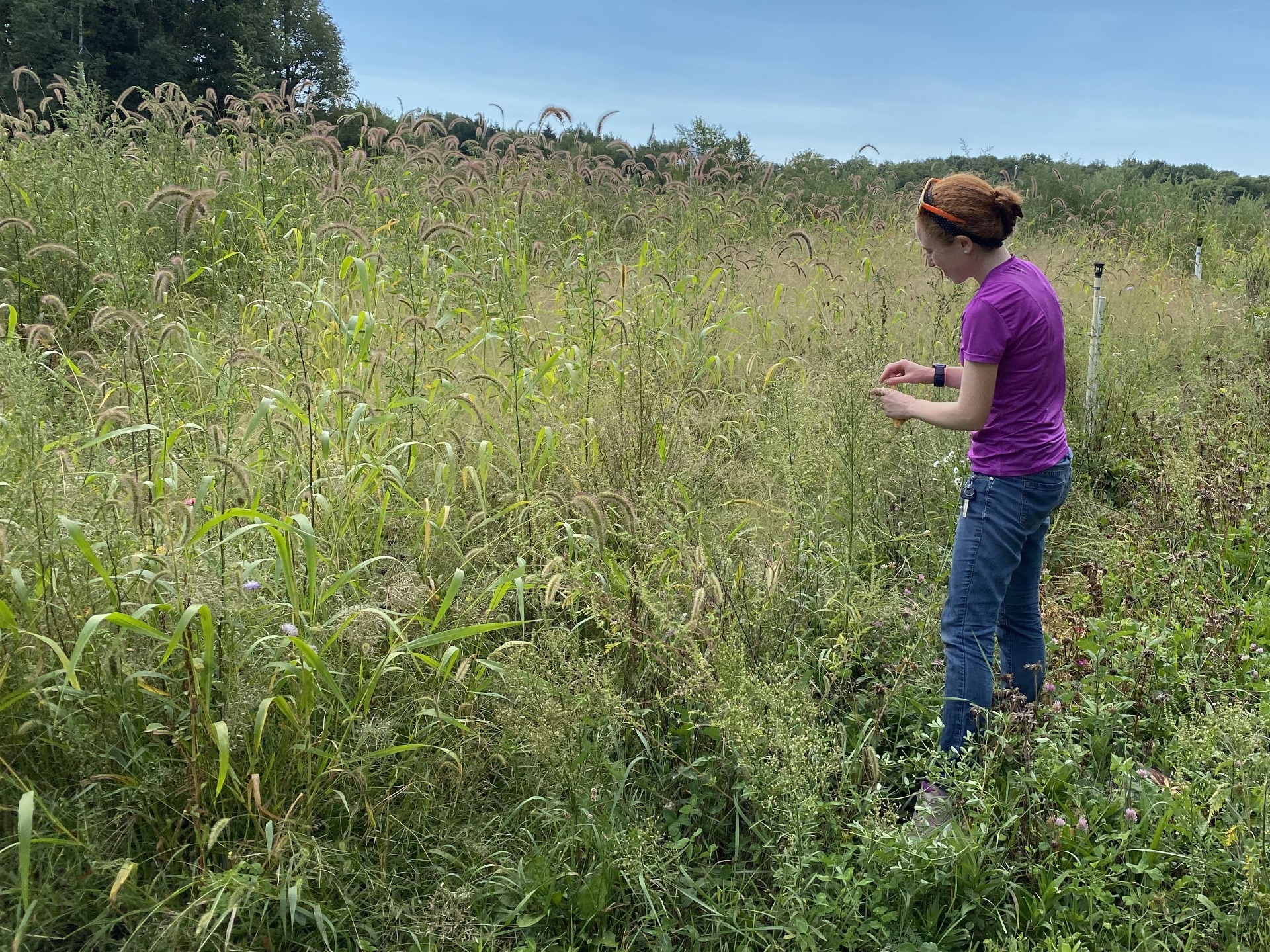
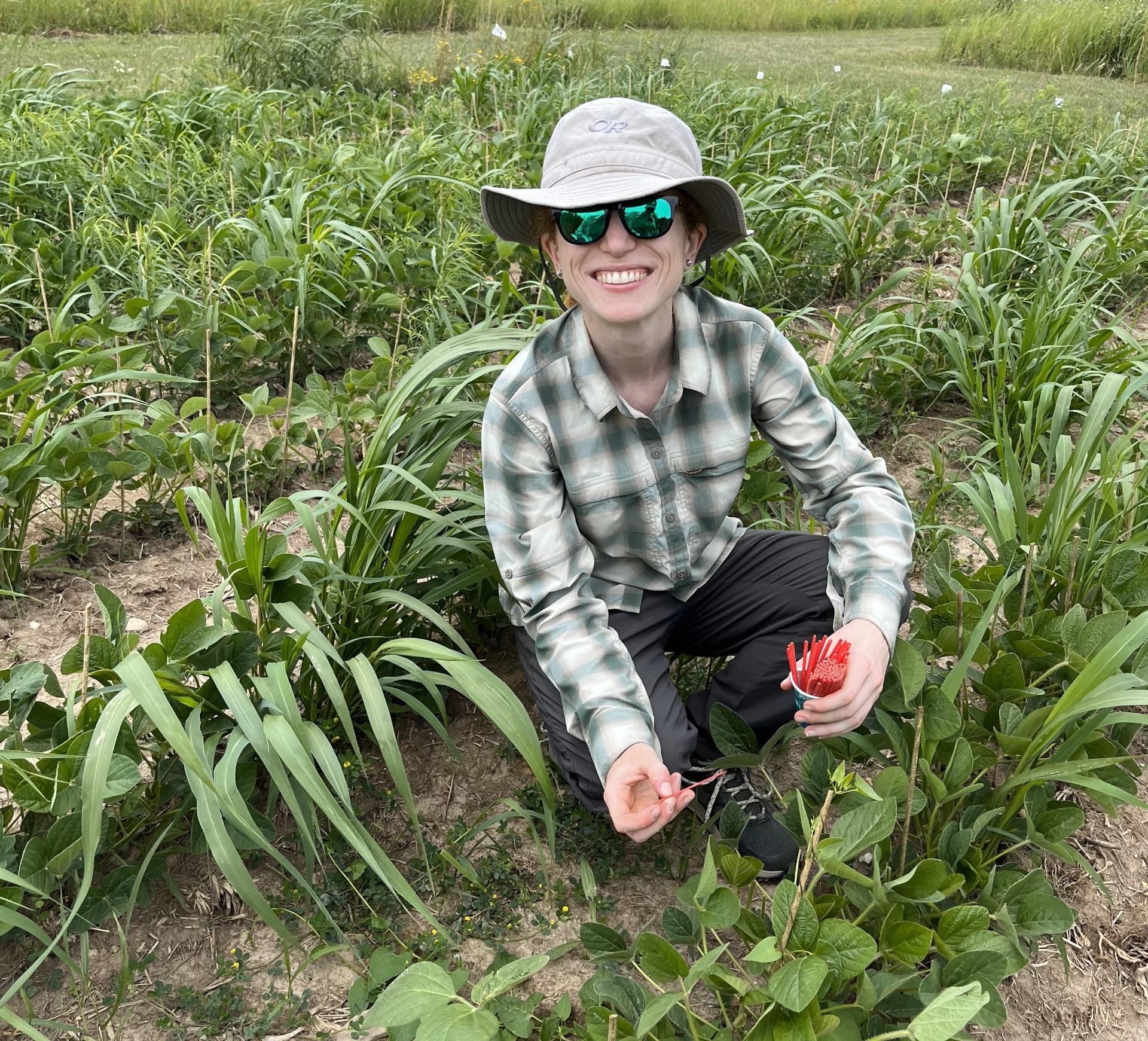
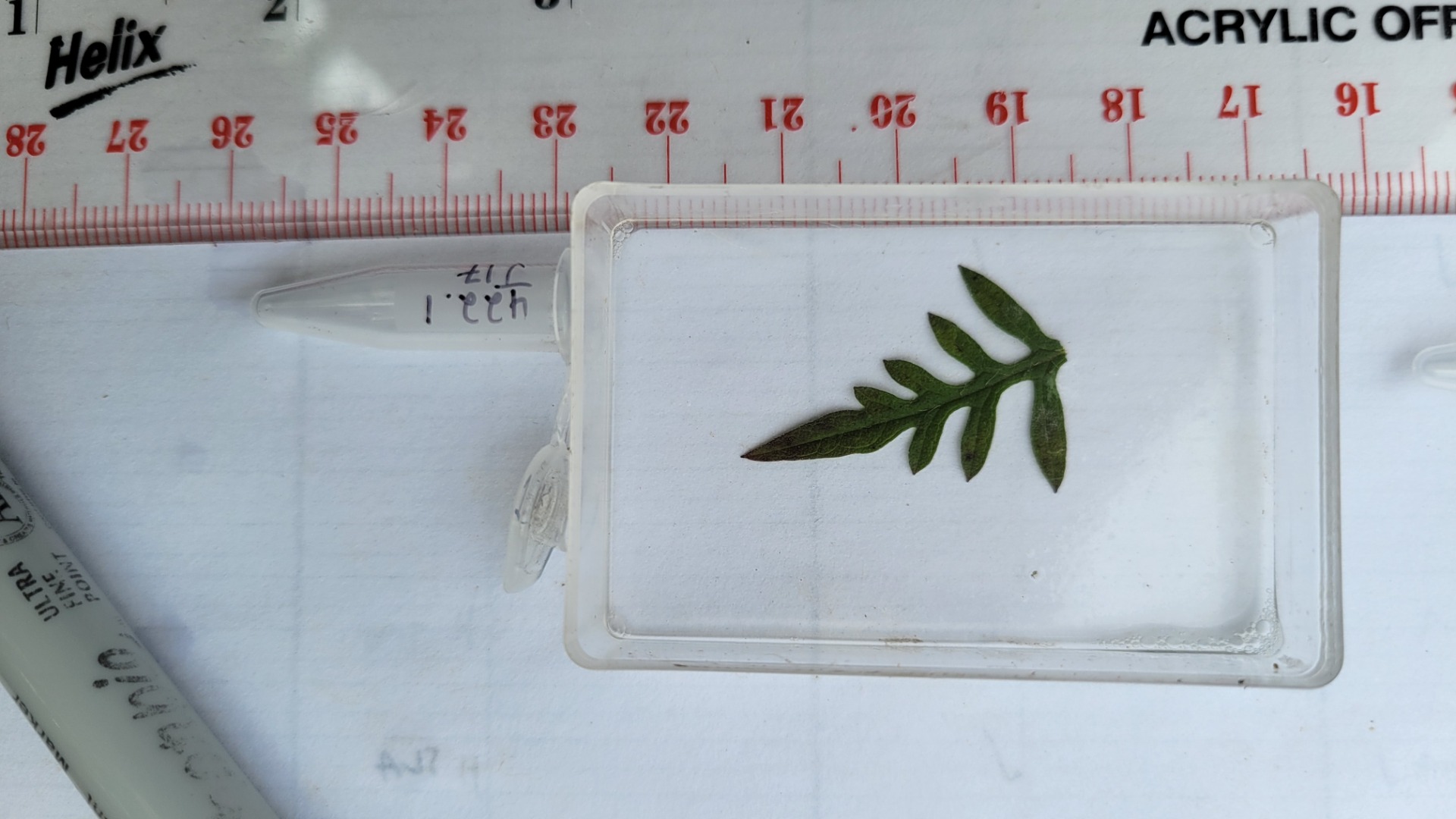
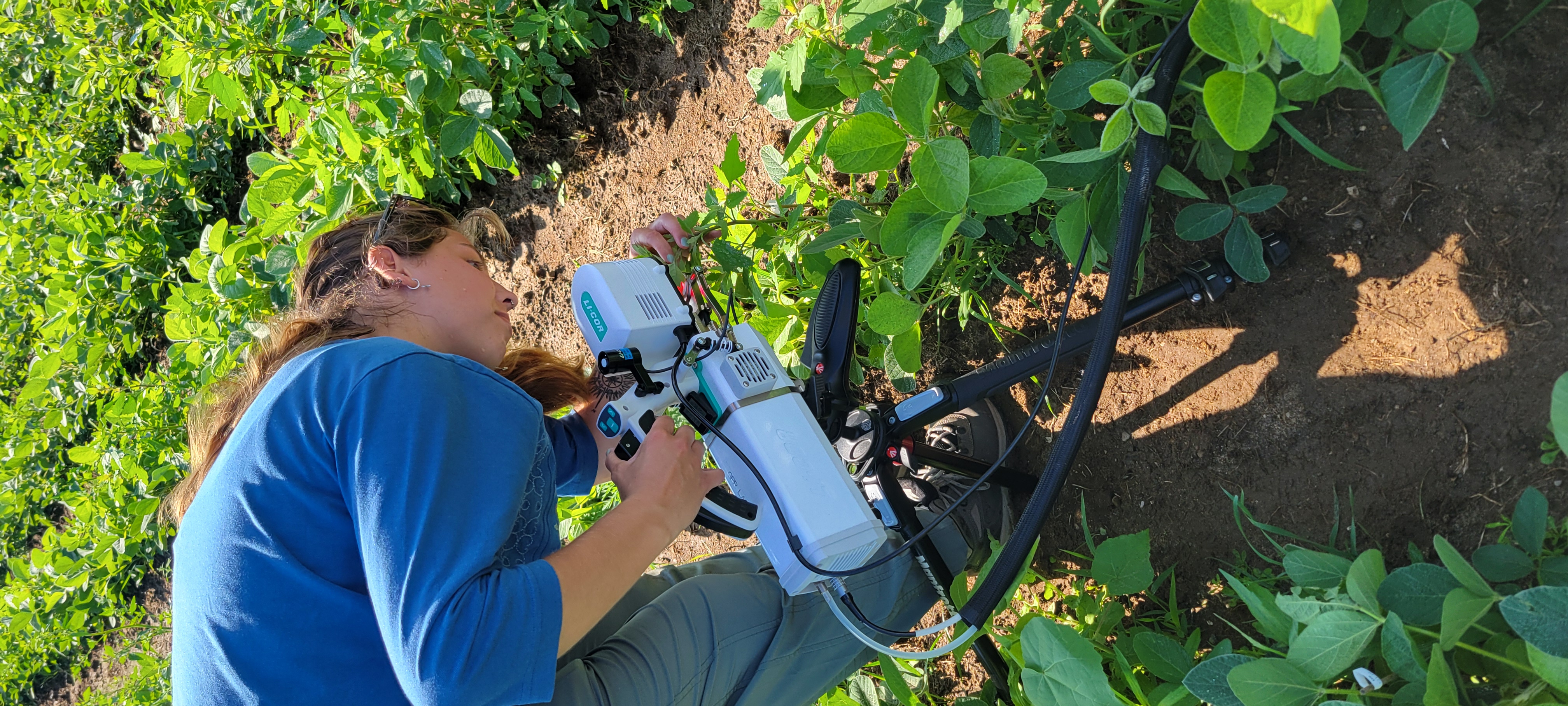
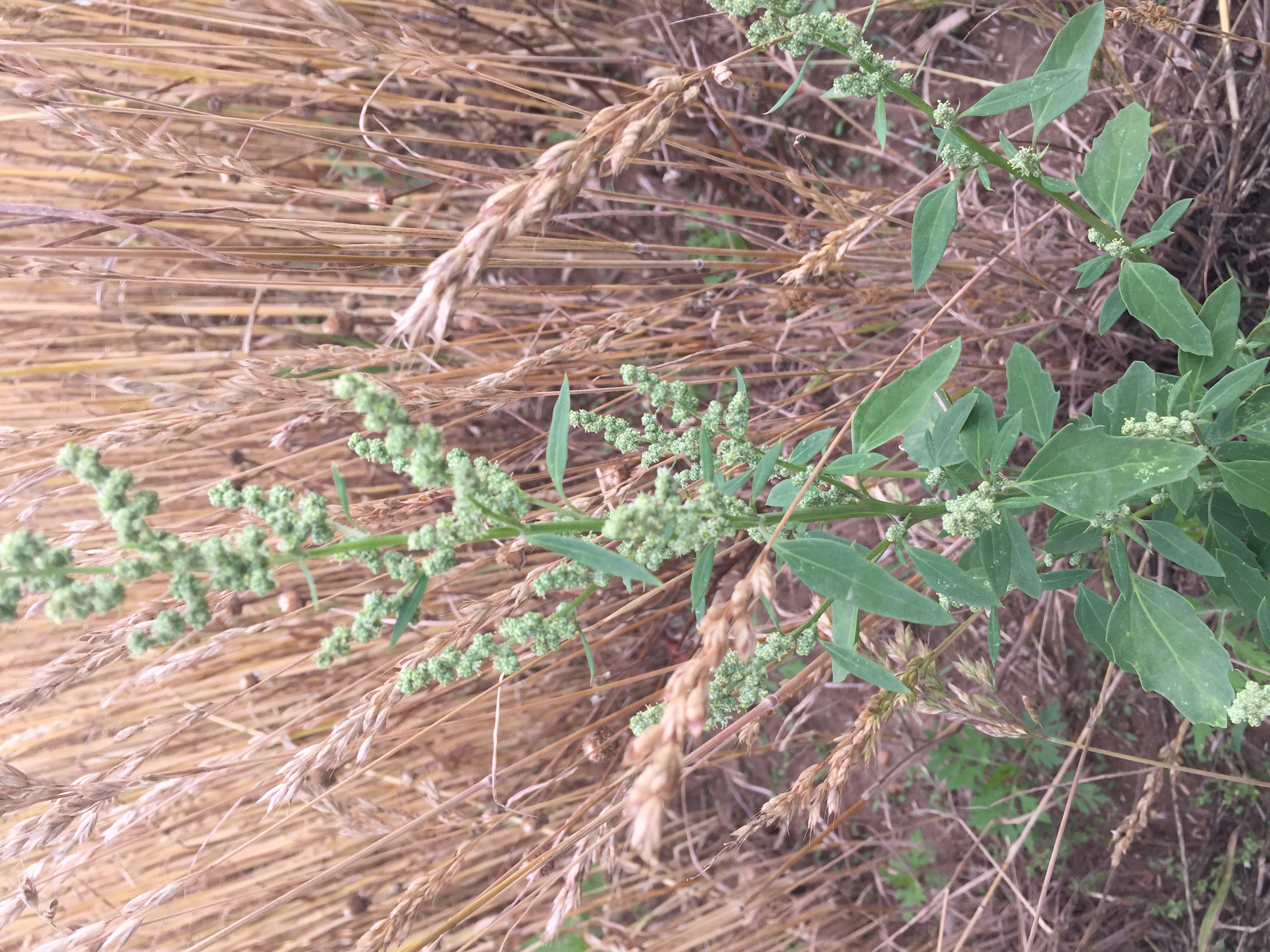
  • What are the relative roles of plasticity and evolution in the success of three common annual agricultural weeds in Midwest row crops (common lambsquarters, common ragweed, and Canadian horseweed)? We reciprocally transplanted plants of all three species sourced from regionally paired agricultural (actively cultivated row crops) and non-agricultural (not actively cultivated) environments into agricultural (organic soy field) and nonagricultural (old field) environments across two field seasons.​ I am using phenotypic and fitness data from these plants to evaluate evidence for adaptive plasticity and evolution.
Life cycle differentiation in facultative winter annual weeds

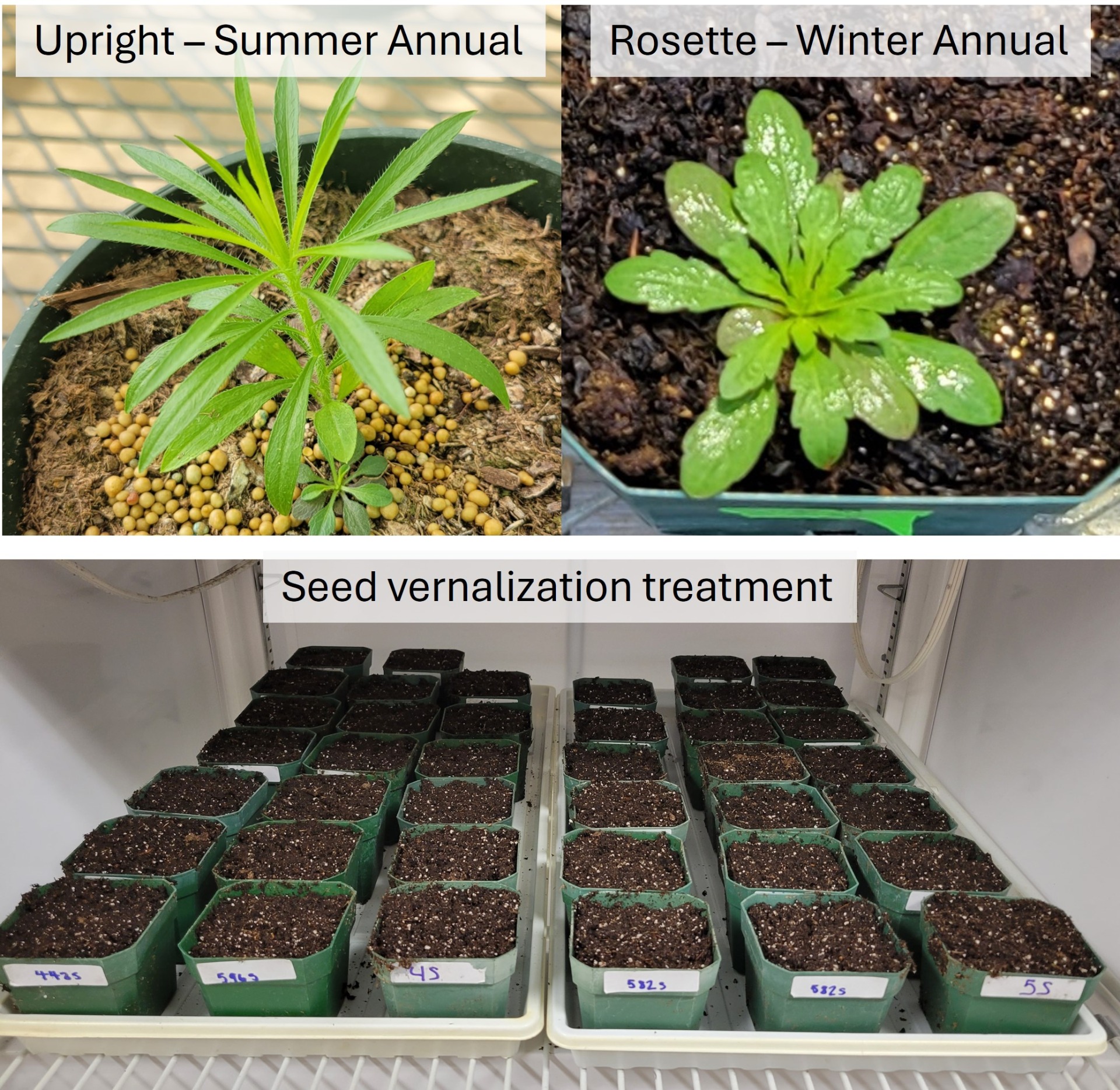
Facultative winter annuals can adopt either a fall-emerging/spring-flowering or spring-emerging/summer-flowering life cycle at the population level via evolution or at the individual level via within-generation and transgenerational plasticity. 

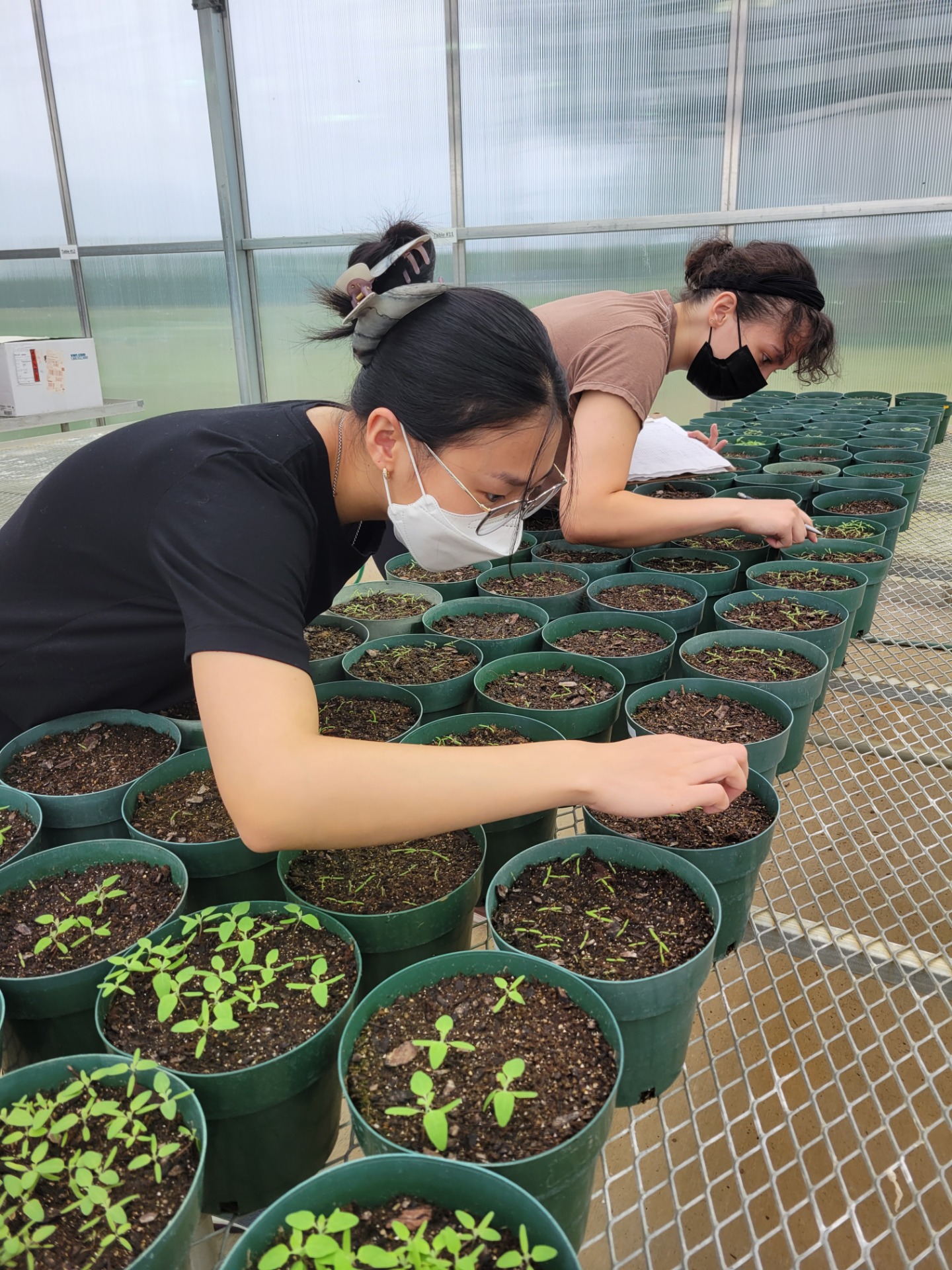
  • How do evolved genetic differentiation and plasticity in response to seed vernalization, light, and exogenous application of the growth hormone gibberellic acid influence life cycle characteristics in Canadian horseweed (Erigeron canadensis)? Using greenhouse and growth chamber experiments, we found evidence that life cycle type differentiation is primarily plastic and we propose that the GA pathway plays a key role in mediating the response to seed vernalization. 

Submitted Manuscript:

  1. Waterman, R., Catlett, B., Bhatt, I., Edmonds, G., Conner, J.K. Seed vernalization and gibberellic acid interact to affect life cycle type in facultative winter annual Canadian horseweed (Erigeron canadensis). PDF
Pollinator-driven selection on floral traits in outcrossing weeds

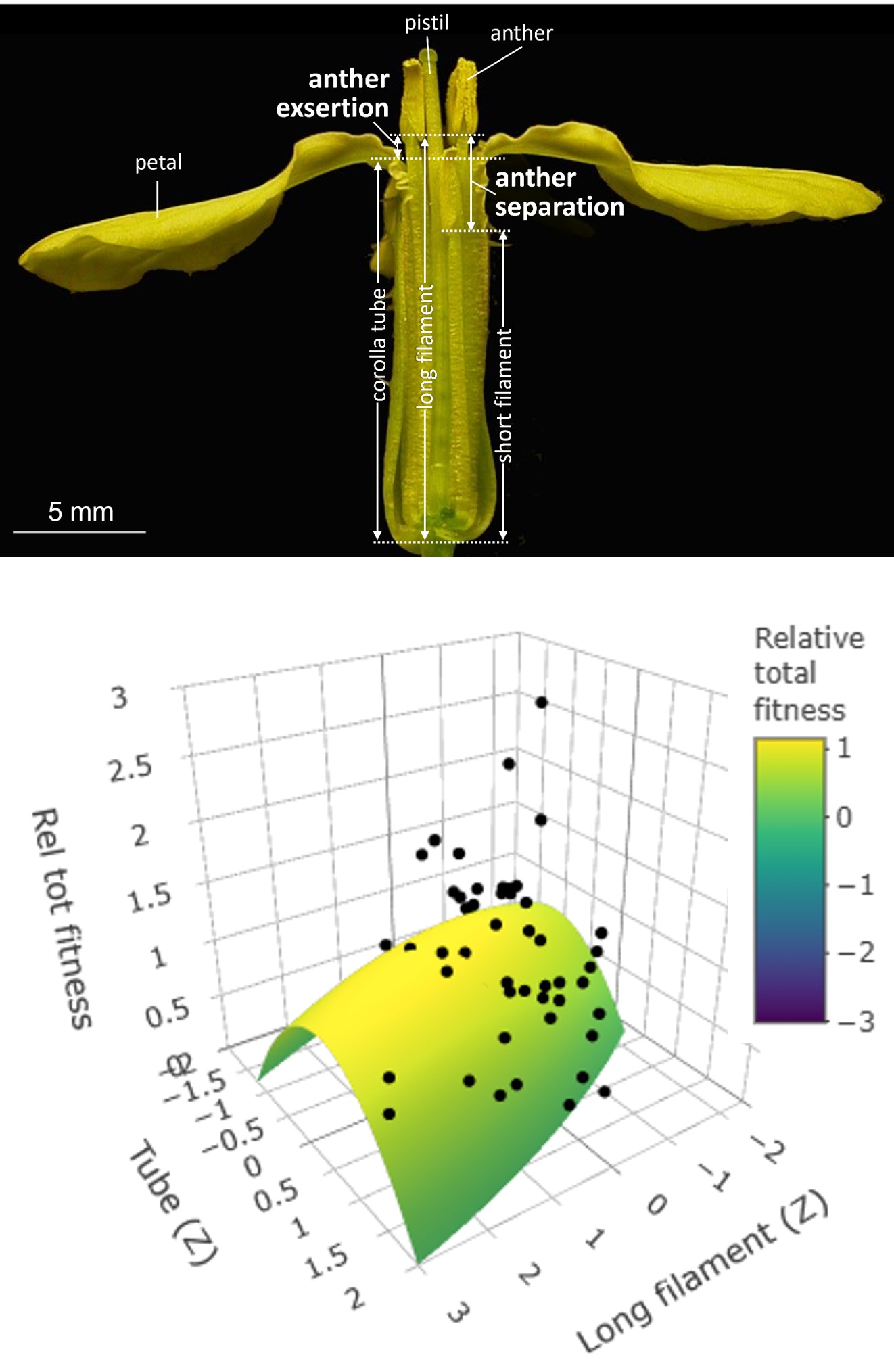
Plants in the Brassicacae family have four long and two short stamens ("tetradynamy"), but the function of this arrangement remains mysterious. Further, unusually high correlations between the length of the long stamen and corolla tube (anther exsertion) and the length of the long and short stamens (anther separation) have evolved in the family at least twice, including in the radishes (Raphanus spp; see Conner et al. 2009, Ann. Bot. and Barnes 2001, Reed College).

  • Is there selection to maintain anther position trait means in the obligate outcrosser wild radish (Raphanus raphanistrum)? I used an existing Conner Lab dataset to estimate selection through male and female fitness on wild radish plants from populations artificially selected to recreate ancestral variation in each anther trait. I found strong evidence for stabilizing selection on anther exsertion and disruptive selection on anther separation.
  • Do tetradynamous stamens have an adaptive function in pollination? We used data collected from slow-motion videos of pollinators visiting wild radish flowers. We found evidence that ​when pollinators move from feeding on one stamen type to another, the increased movement results in greater contact with the anthers (and possibly the stigma), thus resulting in greater pollination effectiveness.

Publications:

  1. Waterman, R., Sahli, H., Koelling, V. A., Karoly, K., & Conner, J. K. (2023). Strong evidence for positive and negative correlational selection revealed by recreating ancestral variation. Evolution, 77(1), 264-275. PDF. Also see Digest.
  2. Waterman, R., Song, S., Bhandari, N., Conner, J.K. (2025). Testing adaptive hypotheses for an evolutionarily conserved trait through slow-motion videos of pollinators. Royal Society Open Science, 12(9),251127. PDF. 
Transgenerational plasticity in weeds inhabiting diverse habitats

Conditions experienced during a parent's life can alter offspring traits through heritable non-genetic effects (i.e. "parental effects", "maternal effects", or "transgenerational plasticity").
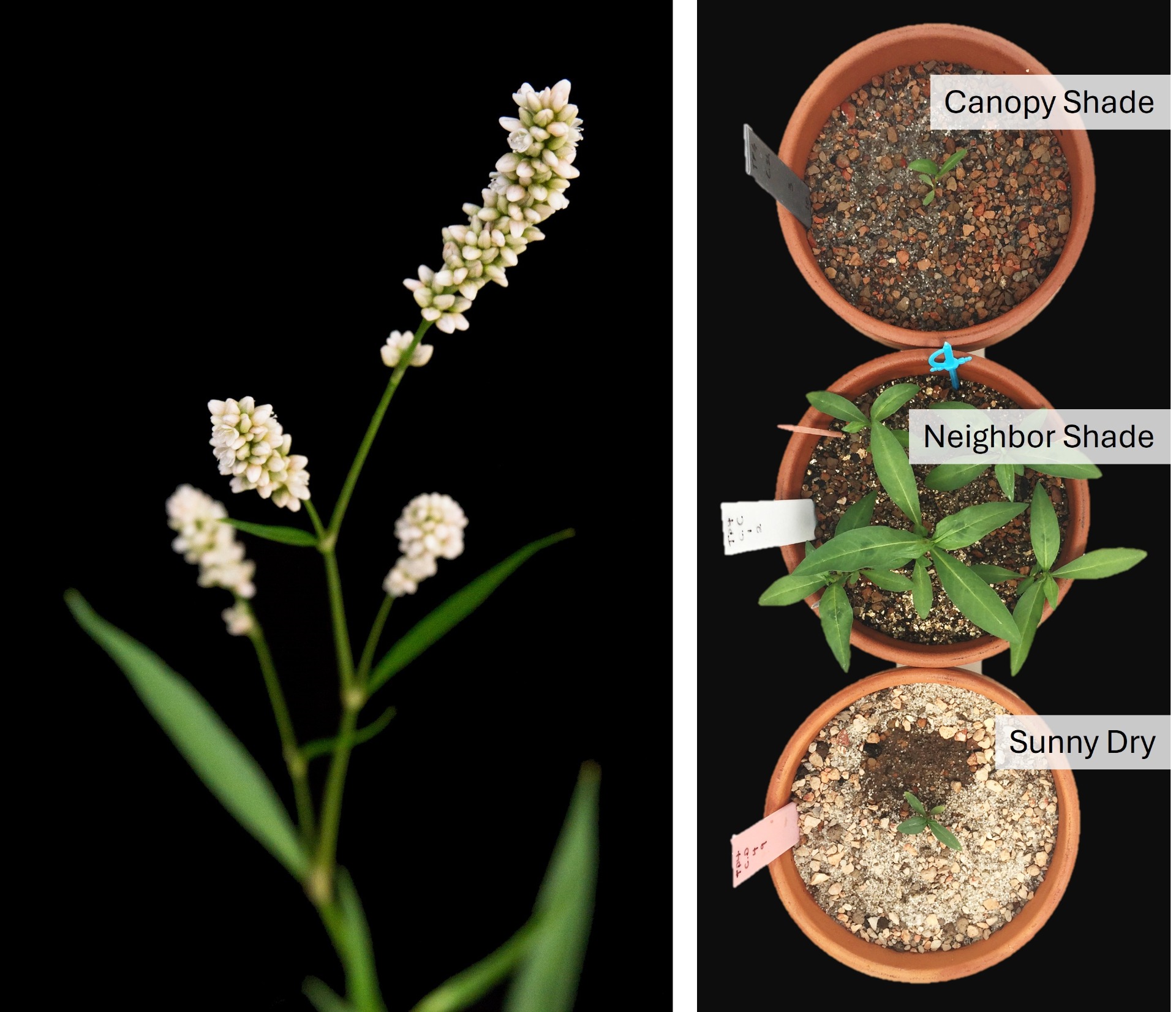
  • How does the light environment of the parent influence traits and fitness of offspring in the annual smartweed Persicaria maculosa? We used common garden experiments to demonstrate that offspring of plants shaded by either an overhead canopy or competing neighbors had greater fitness when themselves grown in neighbor or canopy shade compared with offspring of parents grown in sunny conditions. 

Publications:

  1. Baker, B. H., Sultan, S. E., Lopez-Ichikawa, M., & Waterman, R. (2019). Transgenerational effects of parental light environment on progeny competitive performance and lifetime fitness. Philosophical Transactions of the Royal Society B374(1768), 20180182. PDF
  2. Waterman, R., & Sultan, S. E. (2021). Transgenerational effects of parent plant competition on offspring development in contrasting conditions. Ecology, 102(12), e03531. PDF
  • Does parent plant life cycle type in the facultative winter annual Canadian horseweed (Erigeron canadensis) influence offspring life cycle type? Using a growth chamber experiment with seeds from multiple sites and families within site, we found little to no effect of parent plant life cycle on offspring life cycle.

Submitted Manuscript:

  1. Waterman, R., Catlett, B., Bhatt, I., Edmonds, G., Conner, J.K. Seed vernalization and gibberellic acid interact to affect life cycle type in facultative winter annual Canadian horseweed (Erigeron canadensis). PDF
Barriers for underrepresented groups in the peer review system
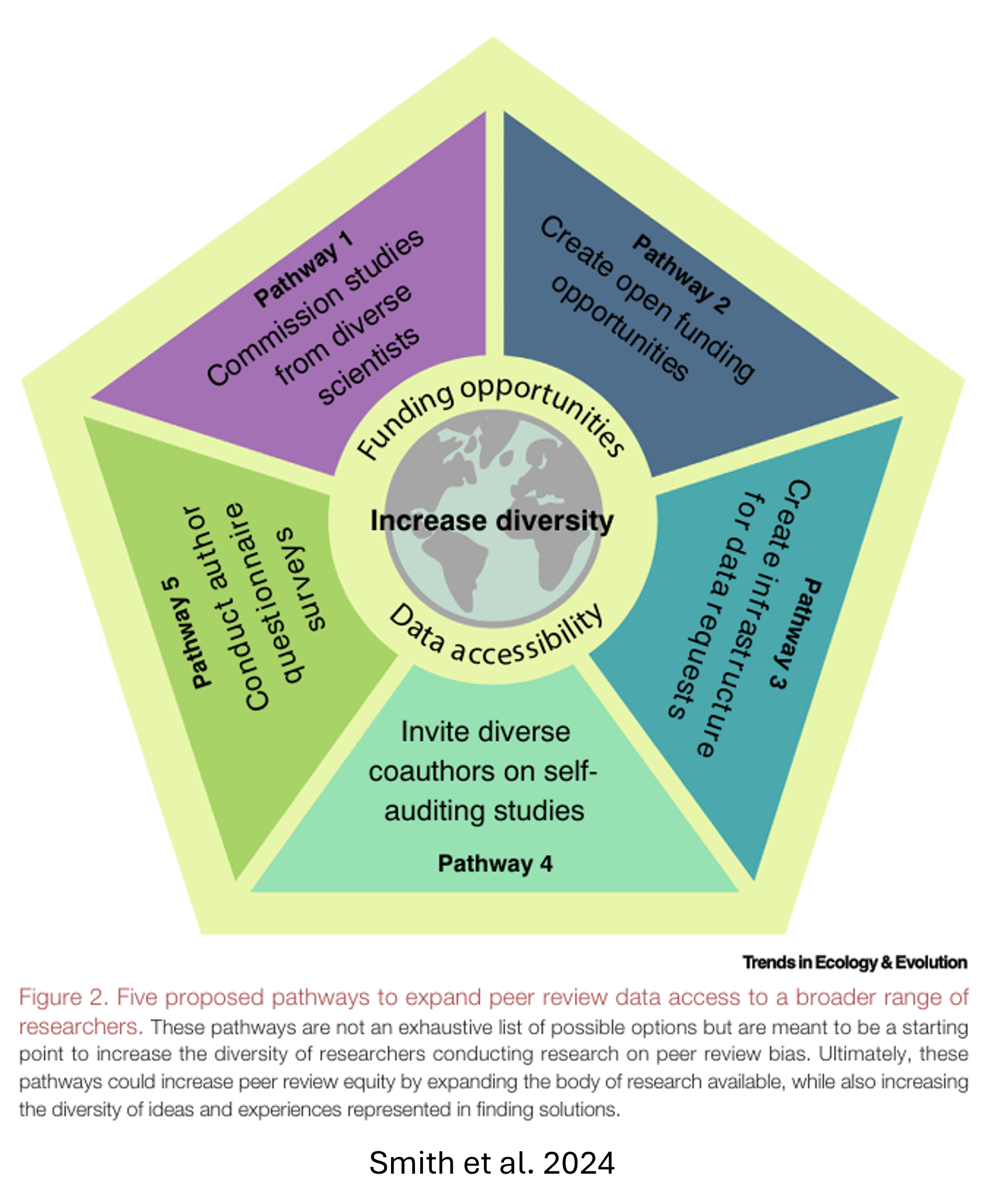
  • Is there evidence that historically underrepresented groups receive worse outcomes when publishing scientific articles through the peer review system, and are there policies that can alleviate any such disparities? I worked with a team of early career researchers in the Ecology, Evolution, and Behavior Collaborative Research Group at MSU to conducted a meta-analysis of studies examining peer review outcomes in the biological sciences by demographic group. We found worse outcomes for authors from less privileged geographies. We also reviewed ecology and evolution journal policies aimed at mitigating bias and found that few journals had such policies in place and there was little research on their effectiveness. Finally, we examined the demographics of the authors publishing articles on peer review bias and found that most authors were from privileged groups and affiliated with journals, prompting us to highlight pathways to broadening participation.

Publications:

  1. Smith, O. M., Davis, K. L., Pizza, R. B., Waterman, R., Dobson, K. C., Foster, B., ... & Davis, C. L. (2023). Peer review perpetuates barriers for historically excluded groups. Nature Ecology & Evolution7(4), 512-523. PDF
  2. Smith, O. M., Davis, K. L., Waterman, R., Pizza, R. B., Mack, C., Conway, E. E., ... & Davis, C. L. (2024). Journals must expand access to peer review data. Trends in Ecology & Evolution39(4), 311-314. PDF
Google Scholar Profile